

A pellet stove can be an efficient and comfortable way to heat your home, but like any heating appliance, it needs regular attention. A pellet stove inspection helps identify problems that may affect performance, safety, or indoor air quality. Even when a stove appears to be working normally, hidden buildup, damaged components, or venting problems can develop over time. Regular inspections give homeowners an opportunity to address these concerns before they become more serious.
For homeowners who rely on their heating system during cooler weather, scheduling an inspection with a professional offering chimney sweep services can be an important part of routine home maintenance. An experienced technician can examine the stove, venting system, and related components to determine whether everything is operating properly. This is especially useful for pellet stoves that have been used frequently throughout the year.
A pellet stove inspection can also complement regular chimney cleaning in San Antonio when the appliance is connected to a venting system that requires maintenance. Although pellet stoves generally produce less creosote than traditional wood-burning fireplaces, ash and other combustion byproducts can still accumulate. Proper maintenance helps keep the system cleaner and allows potential problems to be discovered sooner.
What Is a Pellet Stove Inspection?
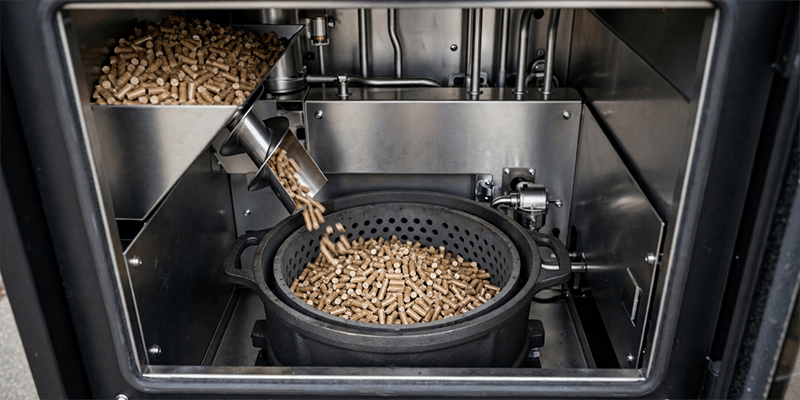
A pellet stove inspection is a detailed examination of the appliance and its venting components. The goal is to check for conditions that could interfere with safe and efficient operation. Depending on the stove and installation, a technician may inspect the burn pot, combustion chamber, exhaust system, gaskets, fans, electrical components, and vent connections.
The inspection is not simply a visual check of the outside of the appliance. A qualified professional looks for signs of wear, excessive residue, blockages, corrosion, damaged parts, and other issues that may not be obvious to a homeowner.
Why Is Pellet Stove Inspection Important?
Regular inspections can help homeowners catch small problems before they become expensive repairs. A worn gasket, restricted vent, or malfunctioning component can affect how efficiently a pellet stove burns fuel. In some cases, poor operation may also result in excessive smoke, unusual odors, or inconsistent heat.
Safety is another major reason to schedule an inspection. Pellet stoves rely on controlled combustion and proper exhaust ventilation. If the venting system is blocked or damaged, combustion gases may not leave the home as intended. An inspection provides an opportunity to identify these concerns and determine whether corrective work is needed.
Routine inspections can also support better overall performance. A properly maintained stove may provide more consistent heat and operate more efficiently than one that has been neglected.
What Does a Technician Check?
The exact inspection process depends on the appliance, installation, and condition of the system. However, several areas are commonly examined.
- Burn pot and combustion area: The technician checks for ash accumulation, damage, or other residue that could interfere with combustion.
- Venting system: Exhaust pipes and connections are examined for buildup, obstructions, corrosion, or signs of damage.
- Door and gaskets: Worn or damaged seals can affect the stove’s ability to maintain proper combustion. These components may be checked for deterioration.
- Fans and motors: Pellet stoves use fans to move air and exhaust. Unusual noises, reduced airflow, or other performance concerns can indicate a component problem.
- Electrical components: Wiring, switches, controls, and other electrical parts may be inspected for visible damage or signs of wear.
- Exterior and surrounding area: The technician may also look for installation concerns, clearance issues, or conditions around the appliance that could affect safe operation.
Signs Your Pellet Stove May Need an Inspection
You do not always need to wait for an obvious problem before scheduling an inspection. However, certain warning signs deserve attention.
If your pellet stove produces unusual odors, struggles to maintain heat, creates excessive smoke, or makes unfamiliar noises, an inspection may be appropriate. Excessive ash buildup, frequent shutdowns, poor pellet combustion, or difficulty starting the appliance can also indicate that something needs attention.
Changes in performance are particularly important. A stove that previously worked smoothly but suddenly requires more fuel or produces less heat may have a maintenance or mechanical issue.
How Often Should a Pellet Stove Be Inspected?
The ideal inspection schedule depends on how often the appliance is used, its age, installation, manufacturer recommendations, and local conditions. Homes that use a pellet stove regularly may benefit from having the system checked at least annually.
An inspection is also worth considering before the heating season begins. Scheduling maintenance ahead of colder weather gives homeowners time to address any issues rather than discovering a problem when the stove is needed most.
After a repair, unusual operating event, or extended period of heavy use, an additional inspection may also be appropriate.
Inspection vs. Cleaning: What’s the Difference?
A pellet stove inspection and cleaning are related but not exactly the same. An inspection focuses on examining the appliance and venting system for damage, wear, blockages, and safety concerns. Cleaning focuses on removing accumulated ash, soot, and other residue.
A professional may recommend both services depending on the condition of the system. Keeping the appliance clean can help it operate properly, while inspections help identify mechanical or installation-related problems that cleaning alone will not resolve.
Why Professional Inspection Matters
Pellet stoves contain mechanical and electrical components that require more than basic household cleaning. A professional can identify issues that may be difficult for an inexperienced homeowner to recognize.
Professional service can also provide peace of mind. Instead of assuming that the appliance is safe because it turns on and produces heat, homeowners can have the system examined by someone familiar with pellet stove operation and venting requirements.
Keep Your Pellet Stove Ready for the Season
A pellet stove can provide dependable supplemental heat when it is properly maintained. Regular inspections help homeowners stay ahead of potential problems, protect the appliance’s performance, and keep the venting system in good condition.
For homeowners in San Antonio, TX, routine pellet stove maintenance is a practical part of preparing for cooler weather. Scheduling an inspection before heavy seasonal use can make it easier to identify and address concerns early.
For homeowners looking for local help, Star Chimney Sweep San Antonio provides chimney and fireplace-related services for properties throughout San Antonio, TX. The company focuses on professional service and helping homeowners maintain their chimney and heating systems. When a pellet stove inspection or related chimney service is needed, Star Chimney Sweep San Antonio can be a local option for homeowners who want knowledgeable assistance with their system.