

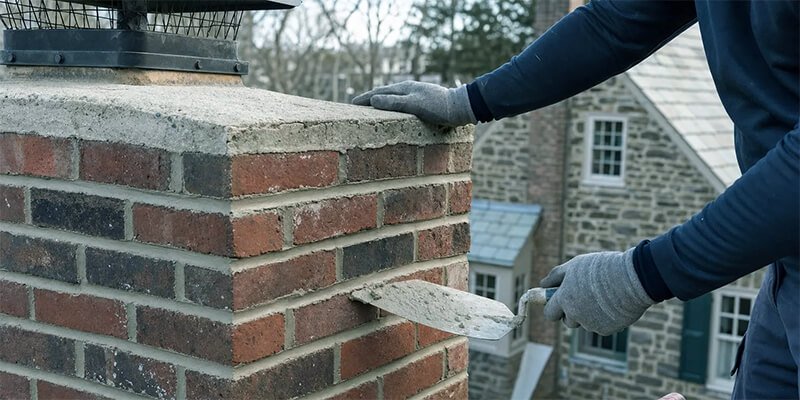
A chimney plays an important role in keeping a home warm and comfortable. It directs smoke, gases, and other combustion byproducts away from the living space. However, the chimney needs a properly installed liner to perform this job safely. A chimney liner creates a protective passage inside the chimney, helping contain heat and harmful gases while reducing the risk of damage to the surrounding masonry.
Over time, chimney liners can crack, corrode, or deteriorate due to high temperatures, moisture, and regular use. These issues can affect the chimney’s performance and increase safety risks. Homeowners considering [chimney liner installation in San Antonio, TX] should understand how liners work and when replacement may be necessary. Choosing the right liner can help protect the home and support reliable fireplace operation.
What Is a Chimney Liner?
A chimney liner is a protective layer installed inside a chimney’s flue. It provides a clear route for smoke and combustion gases to travel outdoors. It also helps protect the chimney walls from heat, corrosive gases, and creosote buildup.
Chimney liners are commonly made from stainless steel, clay tiles, or cast-in-place materials. Each option has different benefits, and the best choice depends on the chimney’s condition, the appliance being used, and local building requirements.
A properly sized liner can improve the way a fireplace, wood stove, or other fuel-burning appliance vents. It is important to select a liner designed for the specific appliance and fuel type. A professional inspection can help determine which material and installation method are appropriate.
Signs Your Chimney May Need a New Liner
Chimney liner problems are not always easy to spot from outside the home. Some warning signs may become noticeable during regular fireplace use, while others require a professional inspection.
Look for these possible indicators:
- Cracked or missing liner tiles: Visible damage may indicate that the existing liner is no longer providing adequate protection.
- Smoke entering the home: Smoke escaping into a room can signal a venting problem that needs prompt attention.
- Unusual odors: Persistent smoky or acidic smells may point to creosote buildup, moisture, or deterioration.
- Loose debris in the fireplace: Pieces of clay tile or masonry may indicate damage inside the flue.
- Moisture problems: Water stains, rust, and crumbling masonry can suggest water is entering the chimney and affecting its components.
These symptoms do not always mean the liner must be replaced. A qualified chimney professional can inspect the flue and identify the underlying issue.
Common Types of Chimney Liners
Selecting the right liner is an important part of the installation process. Different chimney designs and heating appliances may require different materials.
Stainless Steel Liners
Stainless steel liners are widely used for chimney relining projects. They are durable, resist corrosion, and can work with many types of fuel-burning appliances when the correct product is selected. Flexible liners can accommodate some bends, while rigid liners may be suitable for straighter flues.
The liner must be properly sized and installed according to the manufacturer’s instructions. Insulation may also be required, depending on the chimney and installation conditions.
Clay Tile Liners
Clay tile liners are often found in traditional masonry chimneys. They can last for many years when correctly installed and maintained. However, individual tiles may crack because of thermal stress, moisture, or shifting masonry.
Replacing a damaged clay tile liner can involve substantial masonry work, particularly if the chimney is older or difficult to access.
Cast-in-Place Liners
Cast-in-place systems use a specialized material installed within the existing flue to create a new liner. Depending on the product and chimney condition, this method may help reinforce the flue and improve its internal surface. A professional must determine whether the existing structure is suitable for this approach.
The Chimney Liner Installation Process
Professional installation begins with a detailed assessment. A chimney technician examines the flue, checks for structural damage, and evaluates the fireplace or heating appliance connected to it. A camera inspection may be recommended to identify cracks, obstructions, or hidden deterioration.
Next, the technician determines the appropriate liner type and size. Correct sizing matters because a liner that is too large or too small may not vent the appliance properly. The selected system must also meet applicable safety standards and manufacturer requirements.
Before installation, the flue may need cleaning or repairs. The technician then installs the liner using the recommended method, secures the necessary connections, and adds insulation or other components when required.
Finally, the completed installation should be checked to confirm that the system is properly connected and suitable for the appliance. Homeowners should receive guidance on safe operation and routine maintenance.
Benefits of Installing a Chimney Liner
A properly installed chimney liner offers several important benefits.
- Improved safety: The liner helps contain heat and combustion byproducts, reducing the chance that they will reach nearby combustible materials. It also provides a suitable passage for gases to exit the home.
- Protection against chimney damage: Combustion byproducts can be corrosive. A suitable liner helps protect the chimney’s masonry from deterioration.
- Better venting performance: A correctly sized liner can support more consistent airflow and help an appliance vent as designed.
- Greater durability: Replacing a damaged liner can help prevent ongoing deterioration and may reduce the need for more extensive repairs later.
- Support for appliance upgrades: Installing a new fireplace insert or wood stove may require a liner compatible with that specific appliance. A professional can help determine the appropriate system.
Although a liner is an important safety component, it cannot correct every chimney problem. Proper chimney construction, cleaning, inspections, and maintenance remain essential.
Why Local Conditions Matter in San Antonio
San Antonio experiences hot summers, periods of heavy rain, and changing temperatures throughout the year. Moisture can enter a chimney through damaged caps, flashing, crowns, or masonry joints. Once inside, water may contribute to corrosion, cracking, and deterioration.
Homeowners should arrange regular chimney inspections, even if they use their fireplace only occasionally. Before the heating season, it is particularly helpful to confirm that the flue is clear and that the liner and other chimney components are in good condition.
A chimney cap, sound flashing, and timely masonry repairs can also help reduce moisture-related problems. Addressing these issues alongside liner installation supports the long-term condition of the chimney.
Choosing a Chimney Liner Installation Professional
Chimney liner installation requires careful measurements, appropriate materials, and attention to safety requirements. Homeowners should look for a service provider who explains the available options, provides a clear estimate, and checks the full venting system rather than focusing only on the liner.
It is also sensible to ask about the liner’s compatibility with the appliance, warranty coverage, installation procedures, and any permits or code requirements that may apply. Professional work can help homeowners make informed decisions and avoid installation problems.
Professional Chimney Services in San Antonio, TX
For homeowners who need chimney liner installation or help assessing an older flue, Star Chimney Sweep San Antonio is a local company to consider. Serving San Antonio, TX, the company can be contacted to discuss chimney concerns, arrange an assessment, and explore suitable service options. By addressing liner damage and related chimney issues promptly, local homeowners can take practical steps toward safer fireplace use and better long-term chimney care.