

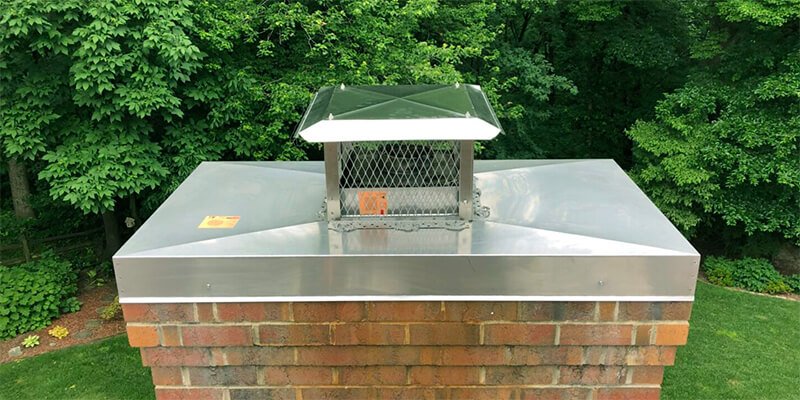
A chimney is exposed to changing weather throughout the year. Rain, wind, humidity, and intense sunlight can gradually affect its condition. One important component that helps protect a chimney is the chimney chase top. Although it may not attract much attention, this cover plays a major role in keeping water and debris out of the chimney structure.
Homeowners in San Antonio, TX, should pay attention to their chimney chase tops because local weather can include heavy rain, high temperatures, and periods of humidity. Choosing a suitable cover and keeping it in good condition can help prevent costly repairs. Professional chimney services in San Antonio can help homeowners identify problems early and maintain the parts of their chimney that are exposed to the elements.
What Is a Chimney Chase Top?
A chimney chase top is a protective cover installed over the top of a framed chimney chase. A chimney chase is an enclosure, often built from wood framing and finished with siding, that surrounds a metal chimney system. It is commonly found in homes with factory-built fireplaces.
The chase top usually sits at the highest point of this enclosure. It is designed to direct rainwater away from the sides of the chase while allowing the chimney flue to vent properly. Many chase tops are made from metal, such as galvanized steel, stainless steel, or aluminum. The right material depends on the chimney system, local conditions, and the manufacturer’s requirements.
A properly fitted chase top helps reduce the chance of moisture entering the enclosure. This is important because trapped water can damage wood framing, insulation, siding, and other components hidden from view.
Why Chimney Chase Tops Are Important
Water is one of the biggest threats to a chimney chase. When rain enters through gaps or damaged seams, it may remain inside the enclosure for an extended period. Over time, this moisture can cause wood to rot, metal components to corrode, and interior materials to deteriorate.
A sound chase top creates a barrier against rain and helps move water away from vulnerable areas. It can also limit the amount of leaves, small branches, and other debris that enter the chase. However, it should not block the flue or interfere with the chimney’s ventilation.
Chase tops also help protect the overall structure of the chimney. Addressing minor issues early may reduce the likelihood of extensive repairs later. Homeowners who arrange regular chimney inspections and maintenance can have the chase top and surrounding components checked for signs of wear, corrosion, or improper installation.
Common Materials Used for Chimney Chase Tops
Chimney chase tops are available in several materials. Each option has different benefits, and the best choice depends on the existing chimney system.
- Stainless steel: Stainless steel offers strong corrosion resistance and is often selected for its durability. It can be a good option for homeowners looking for long-term performance.
- Galvanized steel: Galvanized steel has a protective zinc coating that helps resist rust. However, the coating can wear down over time, particularly when the metal is exposed to moisture and harsh conditions.
- Aluminum: Aluminum is lightweight and naturally resistant to rust. Its suitability depends on the design, thickness, and installation requirements of the chimney system.
Regardless of the material, proper measurements and secure installation are essential. A chase top that is too small, poorly sealed, or incorrectly fitted may allow water to enter. Homeowners should also consider compatibility with the chimney manufacturer’s specifications.
Signs Your Chimney Chase Top Needs Attention
Chimney chase tops are exposed to the elements, so they should be checked periodically. Certain warning signs may indicate that maintenance or replacement is needed.
- Visible rust: Rust spots, flaking metal, or corrosion around seams may suggest that the protective surface is deteriorating.
- Loose or damaged edges: Strong winds can loosen fasteners or damage parts of the cover.
- Water stains: Discoloration on the ceiling or walls near a fireplace may indicate moisture intrusion. Other sources of leaks are possible, so the cause should be investigated.
- Deteriorating chase siding: Peeling paint, swollen wood, or damaged siding near the top of the chase may point to ongoing water exposure.
- Unusual odors or dampness: Musty smells around the fireplace or visible moisture inside accessible areas can signal a problem.
These symptoms do not always mean the chase top is the source of the issue. A professional assessment can help determine whether the problem involves the cover, flashing, chimney cap, roof, or another component.
Chimney Chase Top Maintenance Tips
Routine maintenance can help extend the life of a chimney chase top. Start by looking at the chimney from the ground for visible damage, rust, or missing sections. Do not climb onto the roof or attempt repairs without appropriate training and safety equipment.
Keep an eye on the surrounding chase siding and roof flashing as well. These areas work together to help prevent water from entering the home. If you notice leaks, loose metal, or deteriorating materials, arrange an inspection rather than relying on temporary patches.
It is also important to distinguish a chase top from a chimney cap. The chase top covers the enclosure, while a chimney cap is generally installed over the flue opening to help keep out rain, animals, and debris. Some systems use related components, but they serve different purposes. Both should be suitable for the chimney and installed without restricting proper exhaust flow.
Avoid applying sealants or making modifications without confirming that the products and methods are appropriate for your chimney system. Incorrect repairs can trap moisture or interfere with safe operation.
When Should a Chimney Chase Top Be Replaced?
Replacement may be necessary when the chase top has extensive corrosion, warped metal, failed seams, or damage that cannot be repaired reliably. A poorly designed or incorrectly sized cover may also need to be replaced to provide proper protection.
The replacement process should include accurate measurements and consideration of the chimney’s construction. A professional can inspect the chase, assess any hidden water damage that is accessible, and recommend a suitable material. If moisture has already damaged the framing or siding, those issues may also require attention.
There is no single replacement schedule that fits every home. The lifespan of a chase top depends on its material, installation quality, exposure, and maintenance history. Periodic inspections are a practical way to identify deterioration before it becomes a larger problem.
Protect Your Chimney With Professional Help
A chimney chase top may be a small part of a fireplace system, but its role in preventing water damage is significant. Keeping it in good condition helps protect the chase enclosure and supports the long-term performance of the chimney. Regular visual checks, timely repairs, and suitable replacement materials can all contribute to a safer, better-maintained home.
For homeowners in San Antonio, Star Chimney Sweep San Antonio is a local company to consider when chimney maintenance or an assessment of a chimney chase top is needed. The company can help homeowners understand potential chimney concerns and determine the next steps for maintaining their systems. Addressing signs of damage early can help protect the home and reduce the risk of more extensive repairs later.